1. Challenging the Maharashtra Government’s RTE Amendment: Ensuring Education for All
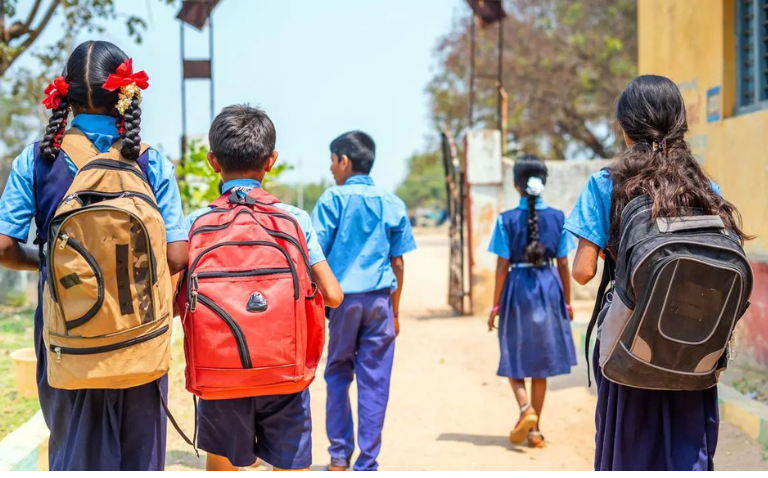
Issue: In 2024, Maharashtra government amended rules implementing the Right to Education (RTE) Act in the state, exempting private unaided schools within a one-kilometre radius of a government or aided school from admitting children from disadvantaged and weaker sections of society under the 25% RTE quota. This exemption negatively impacted the admission of children from these sections, who are entitled to free and compulsory education under the RTE Act.
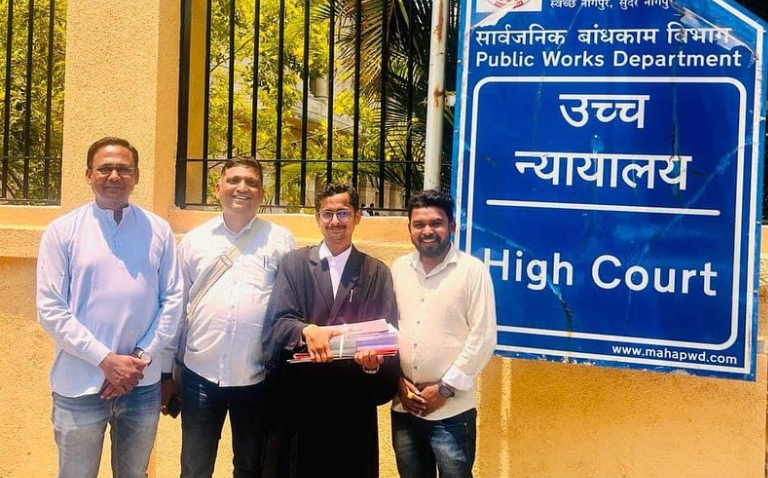
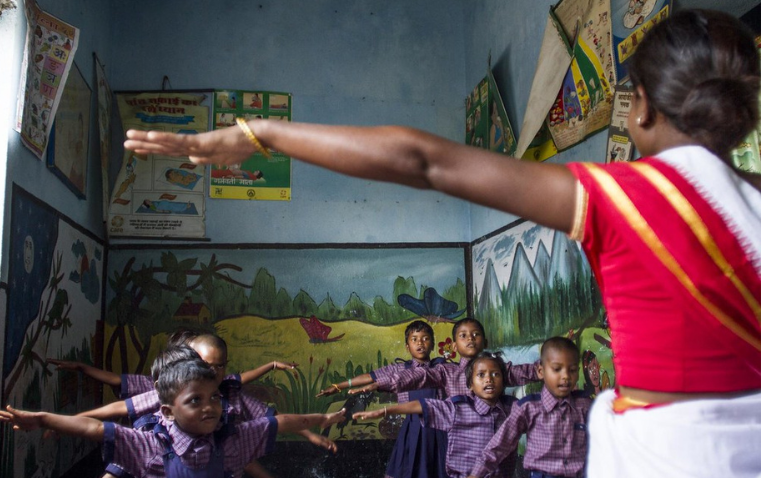
Intervention: The notification was challenged by our lawyers in the Nagpur Bench of the Bombay High Court, with legal representation from Senior Counsel. A similar petition was also filed before the Bombay Principal Bench. Before the Court it was argued that the notification was unconstitutional, violating Articles 14 (Right to Equality), 21 (Right to Life), and 21A (Right to Free and Compulsory Elementary Education) of the Constitution of India. The petitions were consolidated, and the Bombay High Court ruled in favor of the petitioners. The Court observed that such exemption is unconstitutional and clearly an infringement of Section 12(1)(c) of the RTE Act, as the provision does not impose any such condition. The ruling resulted in a significant benefit to the students from disadvantaged and weaker sections of society. It ensured that a larger number of children could access their right to education, as mandated by the RTE Act.
Beneficiaries
100k +
2. Advocacy for Health and Mobility Rights for Madia PVTG
Location: Vengnur, Gadchiroli
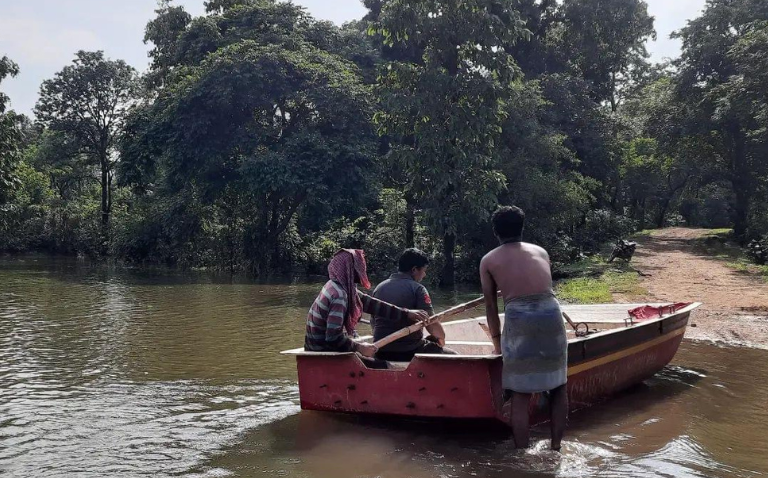
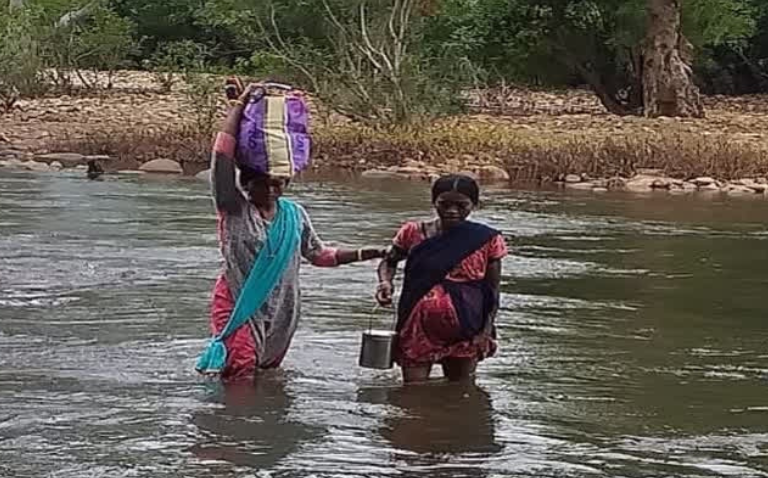
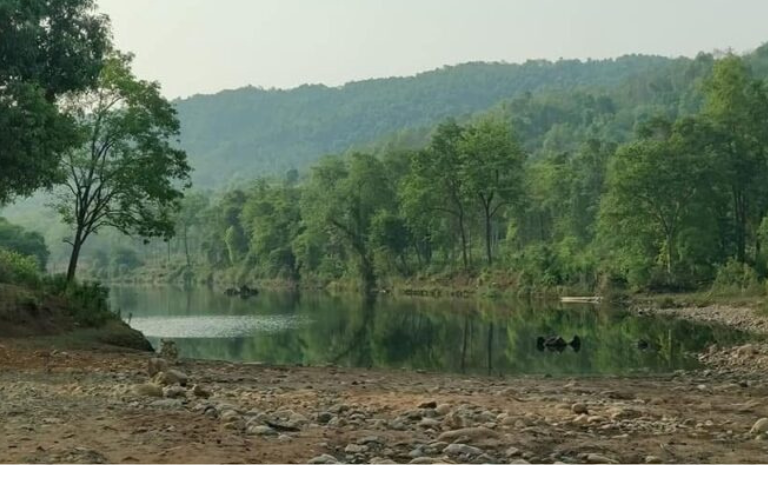
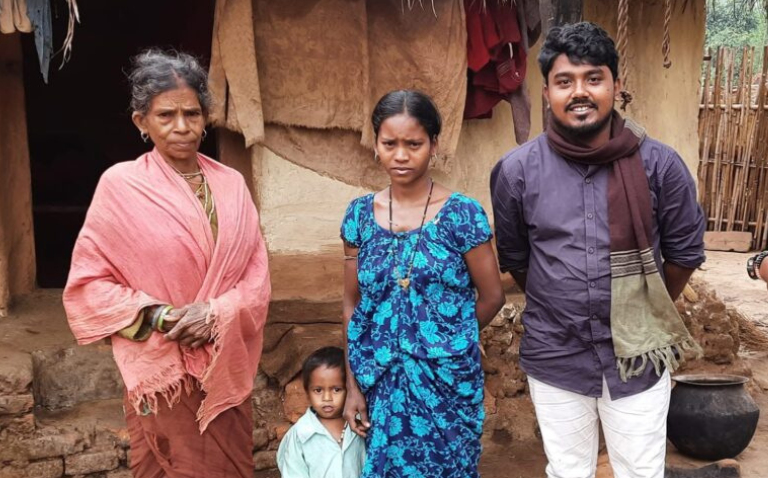
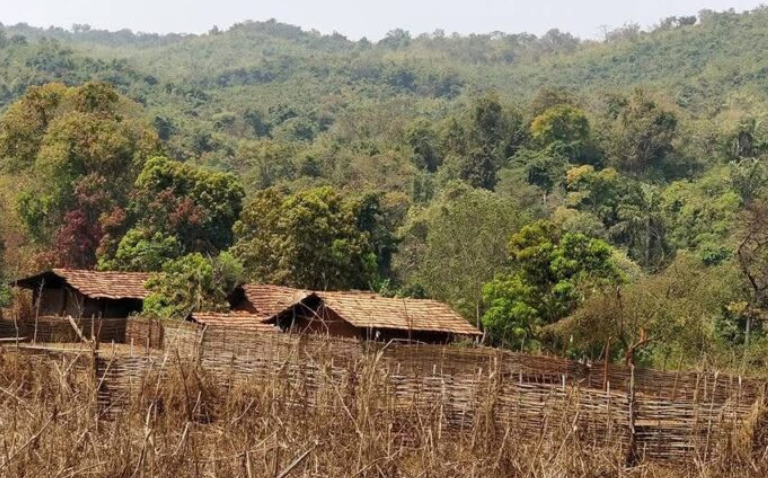
Issue: The Madia community, recognized as one of the 75 Particularly Vulnerable Tribal Groups in India, primarily resides in the Gadchiroli district of Maharashtra. Villages inhabited by the Madia tribes in Gadchiroli near the Dina water reservoir face complete isolation for six months each year due to the lack of bridges and roads. This isolation poses significant challenges in accessing essential services, particularly healthcare. During emergencies, villagers are forced to undertake risky journeys across the vast backwater in rowboats.
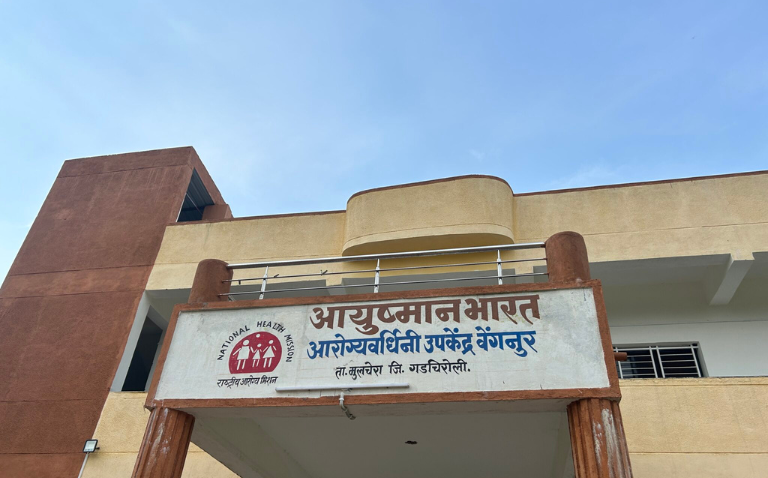
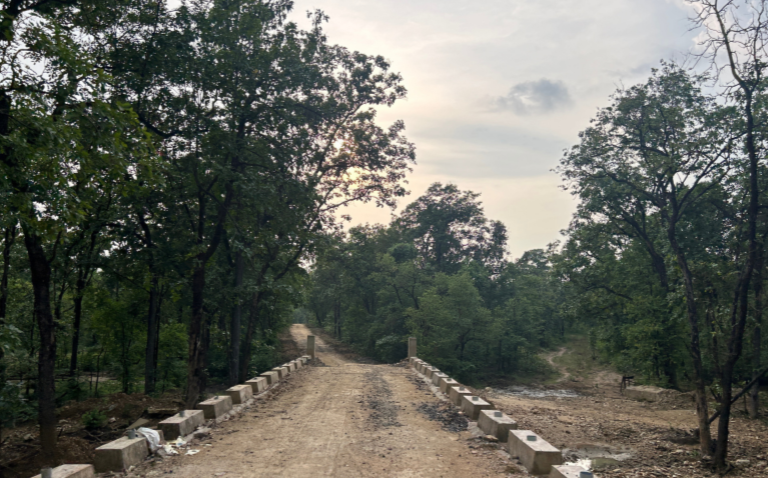
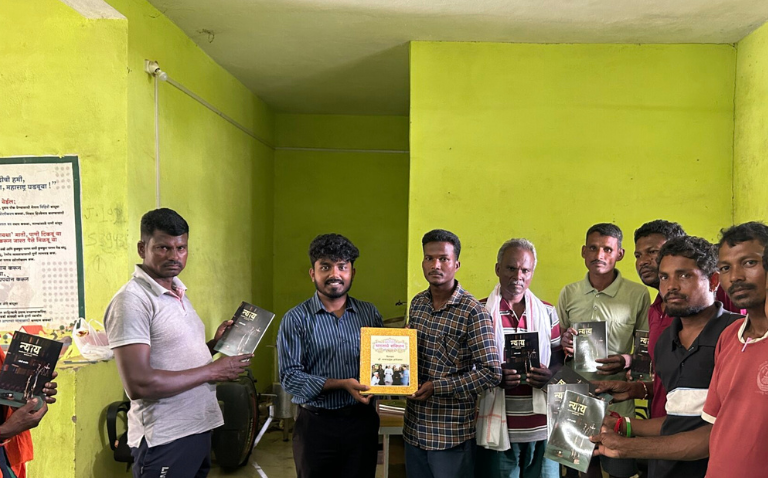
Intervention: The community leaders were identified, and consultations were conducted to understand the challenges faced by the Madia community and their efforts to address them. With the assistance of these leaders, the community was informed about the accessible and affordable mechanism of a Letter Petition. Subsequently, a letter was drafted after collecting affidavits and obtaining consent from villagers. This letter was then sent to the Chief Justice of the Bombay High Court on behalf of the villagers. The Court admitted it as a Suo motu Public Interest Litigation (PIL), recognizing the issue as a serious violation of tribal rights. We facilitated visits of Amicus Curiae and a team of lawyers from the Nagpur Bench to the villages and, assisted in drafting replies and rejoinders to be submitted before the court. This collaborative effort, uniting community leaders, legal experts, and concerned citizens, resulted in significant progress. The State allocated a substantial budget of 38 Crore Rupees for the construction of roads and bridges, along with improvements in healthcare infrastructure. The process of building roads and bridges is underway, and the construction of a Sub-Centre (Healthcare Unit) is nearing completion.
Beneficiaries
500
3. Advocacy for the issue of road connectivity
Location: Bamarda, Yavatmal
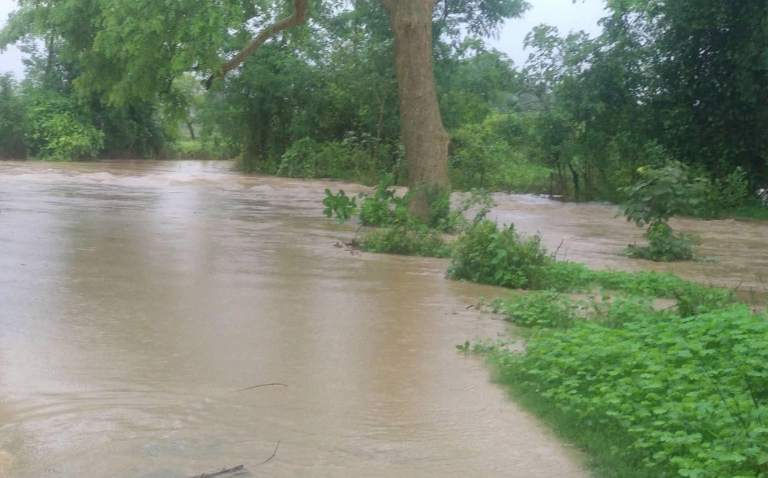
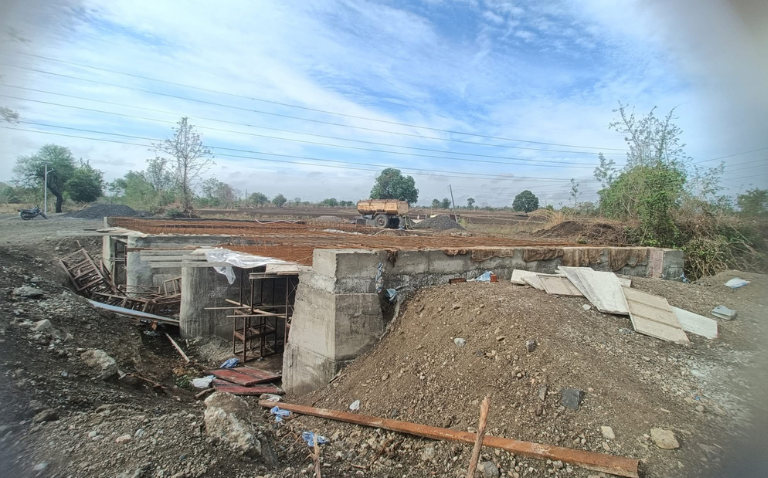
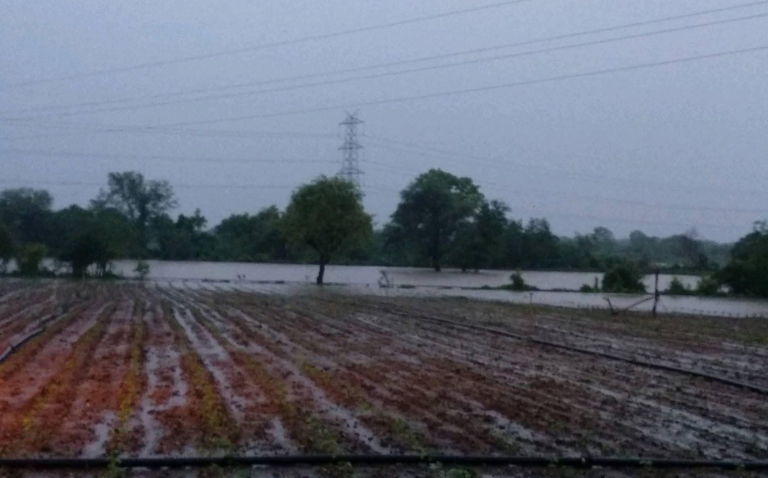
Issue: In the village of Bamarda, located in the Yawatmal District of Maharashtra, the absence of proper mobility infrastructure, particularly a bridge over the Nala (water stream), severely impedes access to essential services, particularly during the monsoon season. This deficiency significantly impacts education, healthcare, and commerce for the local residents.
Intervention: After consulting with the villagers of Bamarda and gaining a comprehensive understanding of their challenges, proactive youths within the village collaborated to collect affidavits documenting their grievances. Concurrently, a formal complaint was lodged with the Maharashtra State Human Rights Commission, stressing the urgent need for the repair or reconstruction of the bridge and the widening of the stream bed. Following this, the SHRC summoned the District Collector, and subsequent initiatives were undertaken. Through these concerted efforts, successful advocacy resulted in the construction of a new bridge, addressing a critical infrastructural need and substantially improving access to essential services for the community members of Bamarda village.
Beneficiaries
100
4. Advocacy for the issues of pregnant women in Abhujmad region
Location: Abhujmad, Bastar in Chhattisgarh
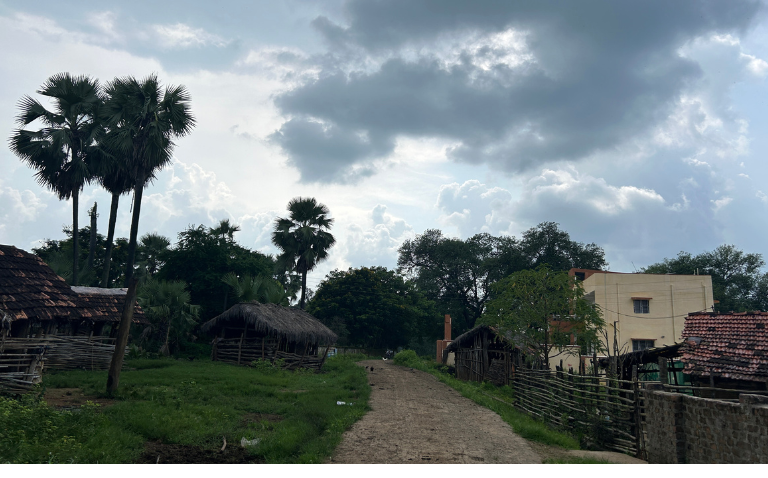
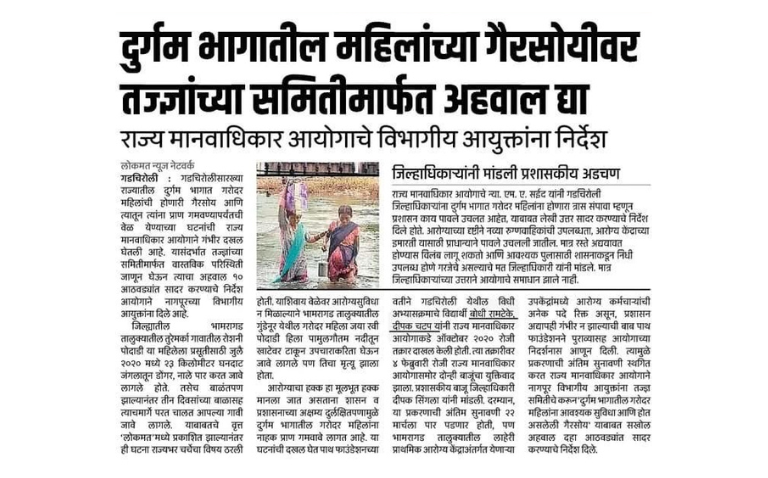
Issue: The Abhujmad region, spanning across Bastar in Chhattisgarh and Gadchiroli in Maharashtra, is a densely forested area predominantly inhabited by tribal communities. This remote and isolated region suffers from a stark absence of civil administration and lacks even the most basic facilities, including healthcare and road infrastructure. Villagers residing in these areas face immense challenges in accessing essential services, such as hospitals, with journeys often requiring them to traverse over 20 kilometers through treacherous terrain, including rivers and mountains, on foot. One particularly distressing incident occurred in the village of Turemarka, located in the Bhamragad tehsil, where a pregnant woman was compelled to walk 23-kilometer journey to deliver her baby, who undertake the trek back to her village with her three-day-old infant.
Intervention: Recognizing the dire circumstances faced by pregnant women in the Abhujmad region, a team member ventured into the village to conduct a comprehensive study of the challenges confronting the Madia community residing there. Concurrently, the issue was brought to the attention of the Maharashtra State Human Rights Commission (SHRC), prompting swift action. In response to the commission’s directive, the Divisional Commissioner was tasked with assembling an expert panel to investigate and address the pressing healthcare and connectivity issues plaguing the region. As a result of these concerted efforts, the District Collector took proactive measures to establish a Maternity Home in the Bhamragad region, aimed at providing vital maternal healthcare services to pregnant women in the area.
5. Advocating for contractual health workers' rights during COVID-19: Securing unpaid wages
Location: Chandrapur
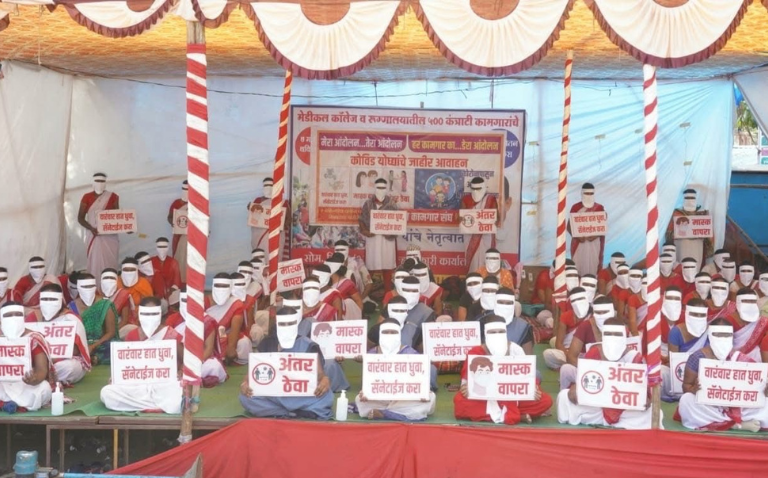
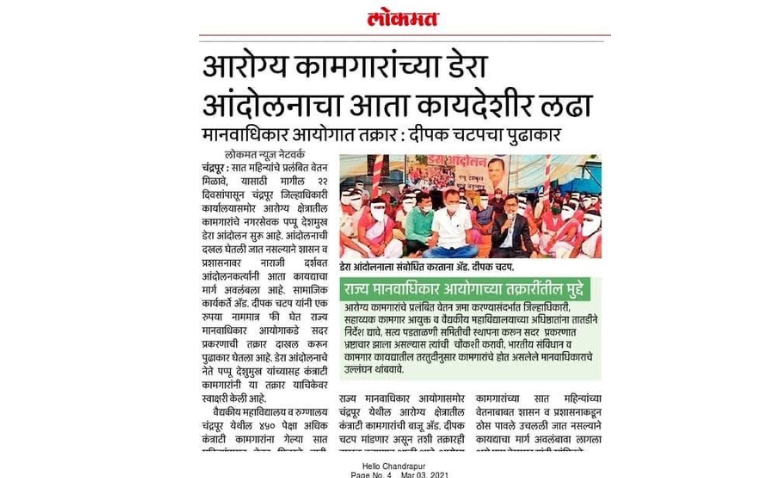
Issue: Amidst the COVID-19 pandemic, approximately 450 contractual health workers from marginalized communities, including Scheduled Castes (SC), Scheduled Tribes (ST), and other marginalized groups, faced severe financial distress due to unpaid wages for seven months. These workers were employed at the Government Medical College and Hospital in Chandrapur, Maharashtra. The prolonged non-payment of wages significantly impacted their livelihoods and exacerbated their already vulnerable socio-economic situations.
Intervention: Upon learning about the plight of the contractual health workers, our team took immediate action to support their agitation. Recognizing the urgency of the situation, we initiated legal proceedings by filing a case on behalf of the workers before the labour court and the State Human Rights Commission. Our proactive measures aimed to ensure that the contractual health workers received their rightful dues and that their voices were heard. As a result of our concerted efforts, the contractual health workers successfully received their overdue wages for the seven months of unpaid work.
Beneficiaries
50
6.
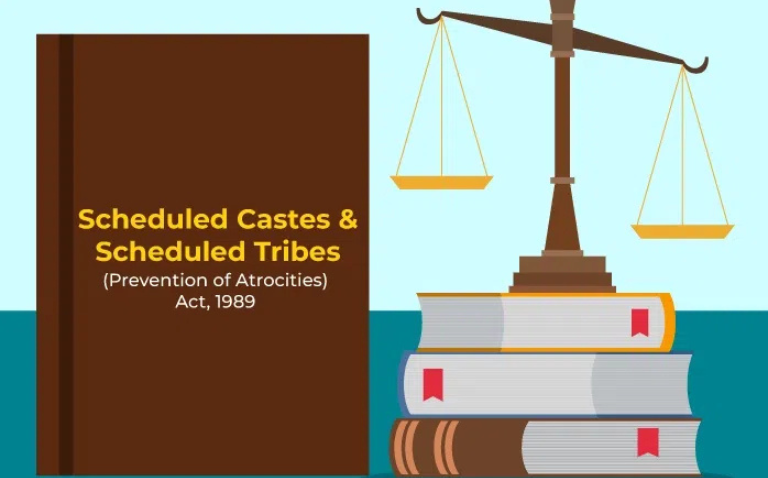
Challenging Non-Conduct of State Vigilance Committee Meetings under the SC & ST (Prevention of Atrocities) Act, 1989
Location: Maharashtra
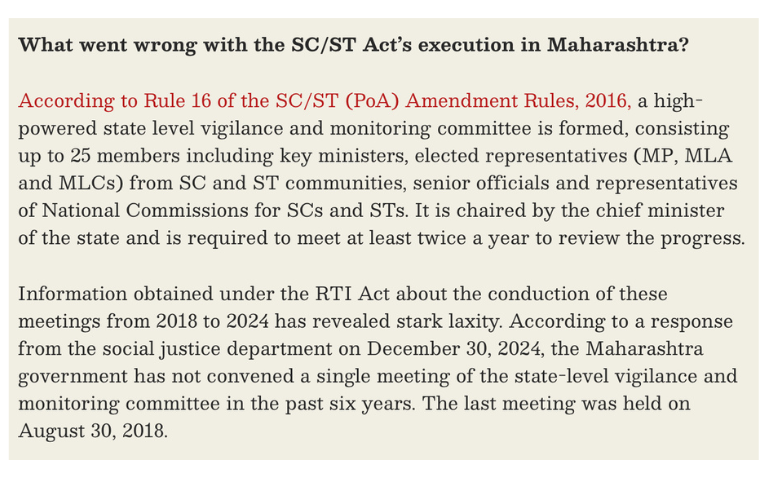
Issue: The SC & ST (Prevention of Atrocities) Act, 1989 mandates that State Vigilance Committee meetings be held at least twice a year to review implementation and address issues of caste-based atrocities. In Maharashtra, these crucial statutory meetings have not been convened for the past six years, severely weakening the oversight and redressal mechanisms intended to protect marginalised communities.
Intervention: The non-compliance was first exposed through a detailed article and further substantiated using information secured via Right to Information (RTI) applications. With continued governmental inaction, the issue is now being escalated through legal intervention, and a petition is being filed before the Nagpur Bench of the Bombay High Court to compel the state to fulfil its statutory and constitutional obligations.
7.
Advocating for Wildlife Attack Compensation Denied to an Adivasi Farmer
Location: Gadchiroli
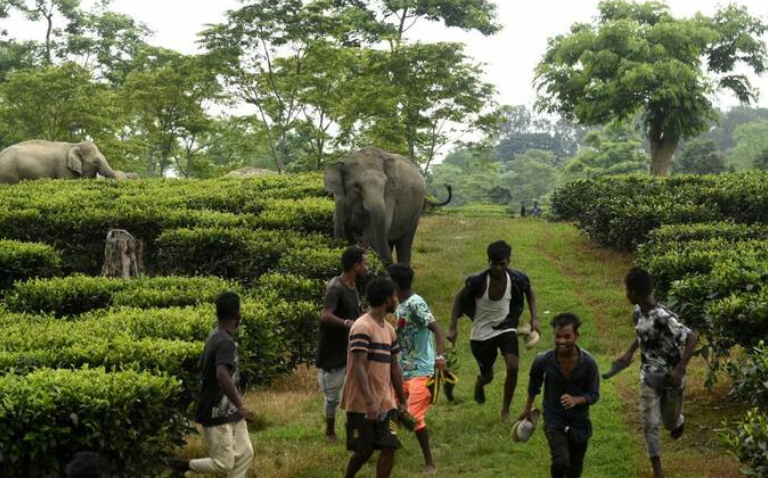
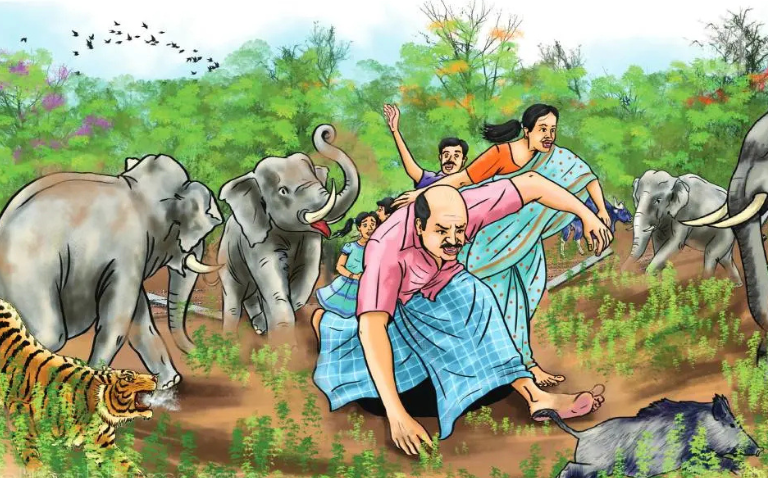
Issue: An Adivasi farmer in Gadchiroli, Maharashtra, was denied rightful compensation after a wildlife attack caused damage to his farm. Despite being eligible under existing legal provisions, the authorities failed to provide the compensation mandated by law.
Intervention: Legal assistance was extended to the farmer, and a formal legal notice was issued to the concerned department. As the authorities failed to act, the matter is now being escalated, and a petition is being filed before the Nagpur Bench of the Bombay High Court to uphold the farmer’s rights and ensure state accountability in providing compensation for wildlife-related losses.
8.
Challenging Discriminatory Recruitment Practices in Anganwadis: Protecting Adivasi Linguistic and Cultural Rights
Location: Raigad District
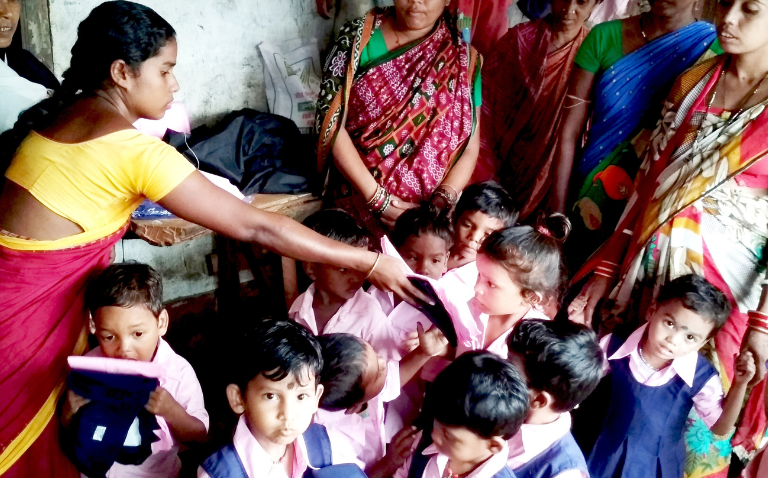
Issue: In Raigad district, home to Katkari and Thakur tribal communities, Anganwadi recruitment has violated the linguistic and cultural rights of Adivasi children. As per a Government Resolution (GR) by the Women and Child Welfare Department, when more than 50% of children in an Anganwadi speak a language other than Marathi, preference must be given to candidates who speak the local mother tongue. However, non-Adivasi candidates lacking proficiency in tribal languages were appointed, compromising culturally responsive early childhood education and breaching recruitment norms.
Intervention: Legal assistance was extended to the excluded Adivasi candidates, and a formal legal notice was sent to the concerned authorities. With no corrective action taken, a petition is now being prepared to be filed before the High Court, seeking enforcement of inclusive recruitment policies that respect the linguistic and cultural identity of Adivasi communities.